He is told he can go home. Then a steel door closes. April 2012. A 23-year-old college student sits in a 5-by-10-foot cell. No food. No water. No toilet. Outside, footsteps pass. Nobody opens the door for almost five days.
April 20, 2012. San Diego, California.
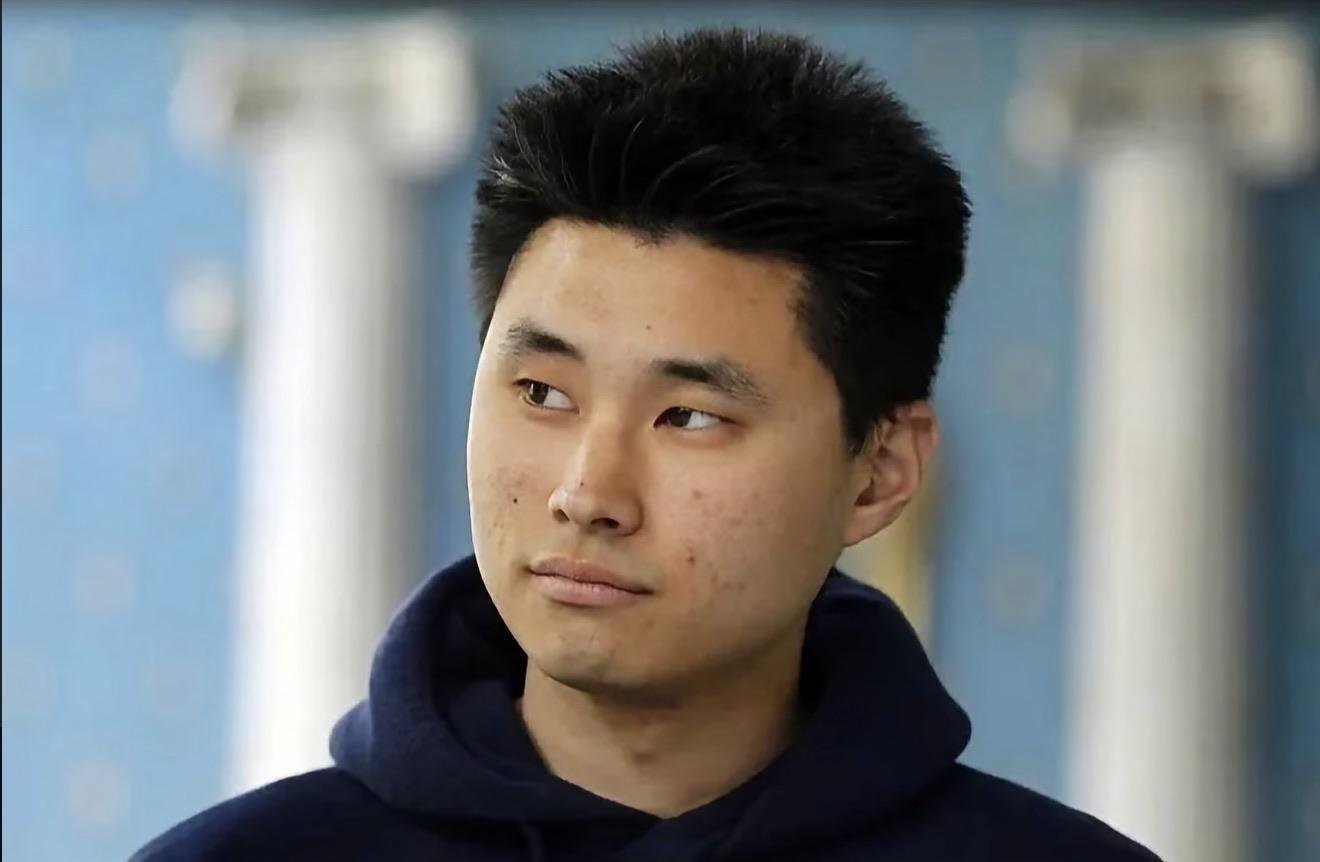
Daniel Chong is 23 years old. He is a fifth-year engineering student at the University of California, San Diego.
That evening he heads to a friend’s house near campus to unwind. He has no idea the house is under watch by a federal drug task force.
April 21, 2012. Morning.
Drug Enforcement Administration agents burst through the door. They find Daniel asleep on a couch in the front room.
Agents take 9 people into custody and seize drugs and weapons from the house. Daniel is driven in handcuffs to the DEA field office in the Kearny Mesa neighborhood of San Diego.
He answers every question. Then the agents tell him what he hopes to hear. He will not be charged. He will be sent home.
Seven of the detainees go to county jail. One is released. Daniel is placed in a holding cell to wait.
The cell measures just 5 feet by 10 feet. Thick concrete walls. A steel door with a peephole. No window. No toilet.
The door shuts. Minutes pass. Then hours.
Nobody comes back.
Day 1.
Daniel hears footsteps outside. Muffled voices. Other cell doors opening and closing, even the one right beside his.
He kicks the door. He screams as loud as he can. No one answers.
Day 2.
Hunger fades. Thirst takes over. A person can usually survive only about 3 to 5 days without water.
Daniel tries everything to be noticed. He slides a shoelace under the door, hoping someone walking past will see it. He tries to set off the fire sprinkler. Nothing works.
Day 3.
He begins to hallucinate.
With no other choice, he drinks his own urine to stay alive.
Then he finds a small bag of white powder hidden in a blanket in the cell. Desperate, he swallows some. It turns out to be methamphetamine, sitting inside a DEA holding cell.
Day 4.
The lights go out. For the final 2 days, Daniel sits in total darkness.
He loses track of time. He accepts that he is going to die. Using a piece of his broken glasses, he tries to leave a last message for his mother: Sorry Mom. He finishes only the letter S.
Here’s what makes it worse: Daniel is not invisible. A federal investigation will later find that 4 DEA employees saw or heard him during those days. Each one assumed someone else was responsible.
April 25, 2012. Afternoon.
An agent opens the steel door. According to Daniel’s lawyer, the student is still in handcuffs.
He has been in that cell for more than 4 days. He has lost 15 pounds. He is severely dehydrated, and his kidneys are failing.
Paramedics rush him to hospital. He stays 5 days, 3 of them in intensive care.
Days later.
The acting head of the DEA’s San Diego office does something rare. He apologizes publicly.
Daniel’s lawyers file a $20 million claim against the federal government. Daniel tells NPR what he wants most: “I don’t want this to happen again.”
July 30, 2013.
The government agrees to pay $4.1 million to settle his claim. Daniel is now 25.
He faces reporters without bitterness. He tells them: “It was an accident, a really bad, horrible accident.”
As part of the deal, the DEA adopts policies requiring agents to document and monitor every detainee.
July 2014.
The Justice Department’s inspector general releases its findings. They are damning.
The San Diego office had no system to track detainee movements. The holding cells had no cameras. The one employee assigned to check the cells had many other duties.
Worse still, DEA managers had started their own probe using 2 agents who were involved in Daniel’s detention. Investigators call it a clear conflict of interest.
March 2015.
The DEA closes its internal review. All 6 employees involved receive letters of reprimand. Two are suspended without pay, one for 5 days and one for 7. Nobody is fired.
Was that enough? Many people who followed the case said no.
But Daniel’s nightmare changes something far bigger than one office. The DEA rolls out new nationwide rules for handling detainees, closely following the inspector general’s recommendations. A forgotten detainee is supposed to become impossible.
Daniel returns to UC San Diego. He switches his major to economics and starts rebuilding a quiet life. He says he may use part of the money to buy his parents a house.
The young man who once tried to say goodbye to his mother now hopes to buy his parents a home.
What should have been a short wait became nearly 5 days. Not because of one cruel act, but because 4 people each assumed someone else would act.
That lesson reaches far beyond one cell in San Diego. In any office, hospital, school or family, the most dangerous words may be: someone else will handle it.
What would you have done if you heard knocking behind that door?
Someone who needs to know, never assume someone else will help.