She is 26. She has a college education. She applies for job after job. Again and again, employers say the same 4 words: not a good fit. So in 2016, Collette Divitto walks into a Boston market with a cookie.
Boston. 2016.
Collette Divitto is 26 years old. She has a college education from Clemson University. She has energy, ambition and a big smile.
What she does not have is a paycheck.
Collette was born in 1990 with Down syndrome. She moves to Boston hoping to start her working life like anyone else her age. She applies. She interviews. She waits for the call.
The answer keeps coming back the same way. She is told she is not “a good fit.”
Interview after interview. Rejection after rejection. The years of job hunting pile up.
She tells a reporter what that feels like: “It’s very hard to find a paying job for people like me who have special needs.”
Here’s what makes it worse: Collette is far from alone. Four years later, in 2020, U.S. government figures show that just 17.9% of people with a disability are employed. For millions of people, the door simply does not open.
But Collette has one thing nobody can turn down.
A cookie.
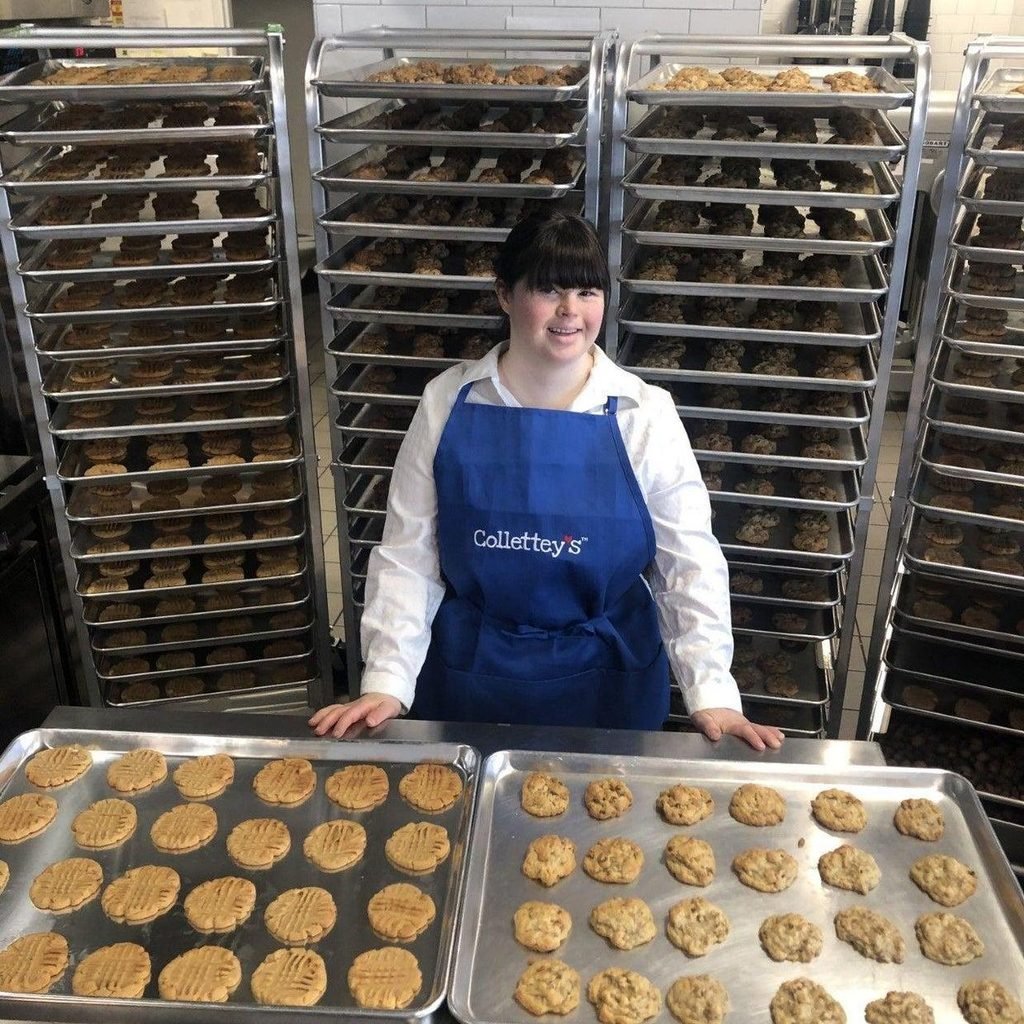
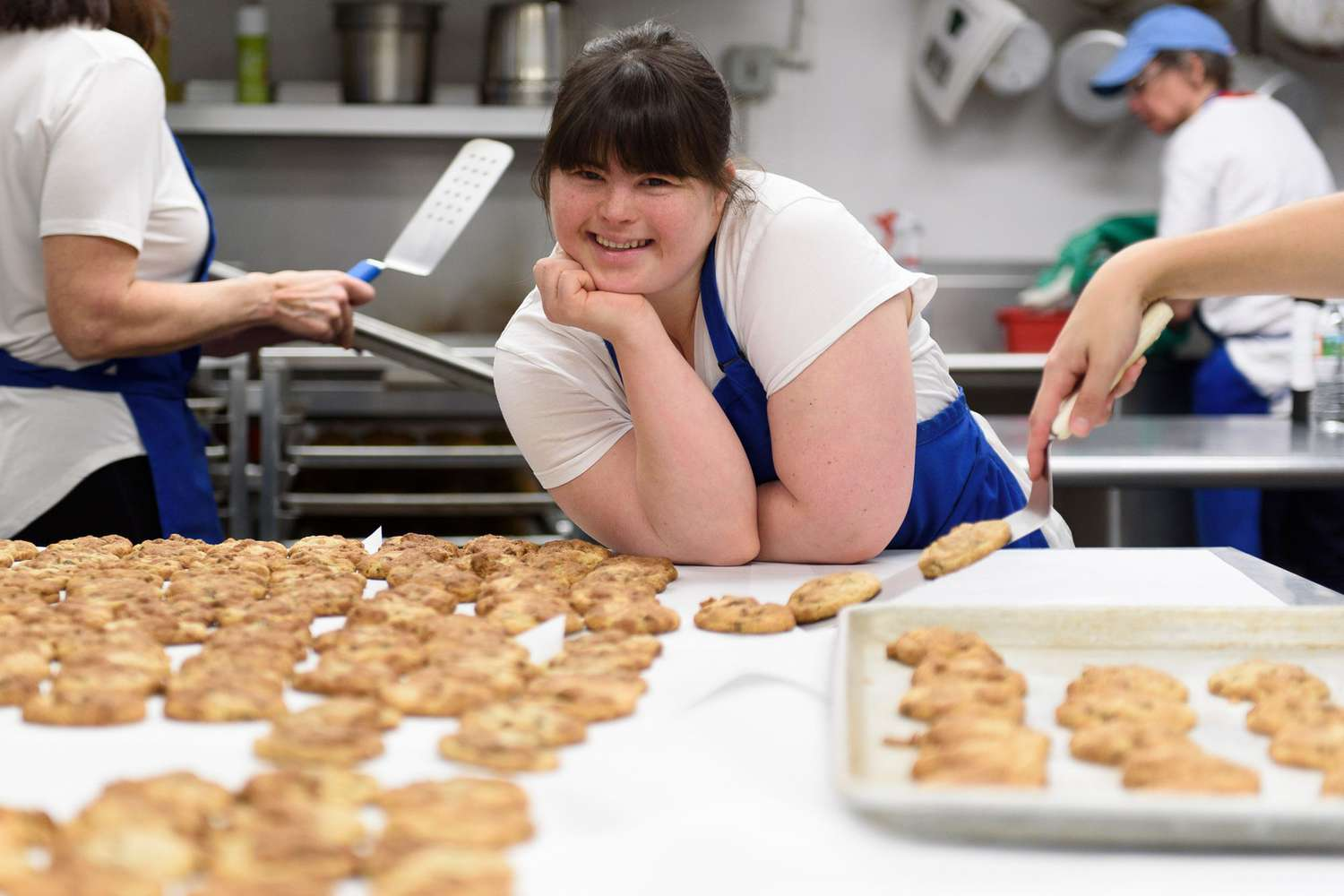
She has baked since she was 4 years old. Over the years she perfects her own recipe, a chocolate chip cookie rolled in cinnamon sugar. Her family keeps telling her the same thing.
Her mother, Rosemary Alfredo, remembers it well: “We kept telling her, ‘This is a really good cookie. You could sell this!’”
Friends call it amazing so often that the name sticks. The Amazing Cookie.
So Collette makes a decision. If no one will hire her, she will hire herself.
She names her company Collettey’s Cookies. Her mother teaches her the basics of running a business. They start with less than $20,000, mostly to rent kitchen space.
At first, the work happens in their apartment. Rosemary recalls hauling in 40-pound bags of flour.
Then Collette takes her cookies to a neighborhood shop in Boston’s North End, the Golden Goose Market.
They say yes.
The store orders 100 twelve-packs. It is her first real customer. Collette later says that deal made her feel “amazing and confident. I never, ever felt that way in my entire life.”
Before long she is selling about 100 cookies a week. It is a small, steady start.
Nobody expects what happens next.
November 2016.
A local TV station, WBZ, airs a short story about Collette and her cookies. It is posted on Facebook.
The video spreads across the country. Within days it is viewed more than 2.8 million times.
Orders flood in from Florida, California and beyond.
December 1, 2016.
Collette has received orders for more than 25,000 cookies.
She laughs to reporters: “I haven’t slept at all.”
The tiny business could easily collapse under the weight of its own success. But the Golden Goose steps up again. The market lends her its kitchen and industrial equipment. Some of its own staff work overtime to help her bake.
In a single day, they turn out more than 500 cookies.
The store’s manager, Jesse Powers, puts it simply: “It’s all about her at this point.”
When she is asked for the secret ingredient, Collette does not hesitate: “It’s love.”
February 2017.
The orders have climbed to 75,000. Collette fills them.
The WBZ video becomes the station’s most popular Facebook video of the year, reaching more than 25 million people.
Then comes an invitation to Los Angeles. On the night before the Oscars, her cookies go into the gift bags at a red carpet gifting suite.
The woman who was “not a good fit” now has her cookies in Hollywood gift bags.
October 30, 2017.
The New England Council names Collette a New Englander of the Year. About 1,700 people fill the ballroom at the Seaport Hotel. They rise to their feet for her.
By then she has sold more than 147,000 cookies.
In her speech, she thanks her mother for never treating her as disabled, and for “teaching me how to be strong, and to never, never give up.”
The years that follow.
Collette does not stop at cookies. In 2018, she and her mother launch a nonprofit offering workshops and mentoring for people with and without disabilities.
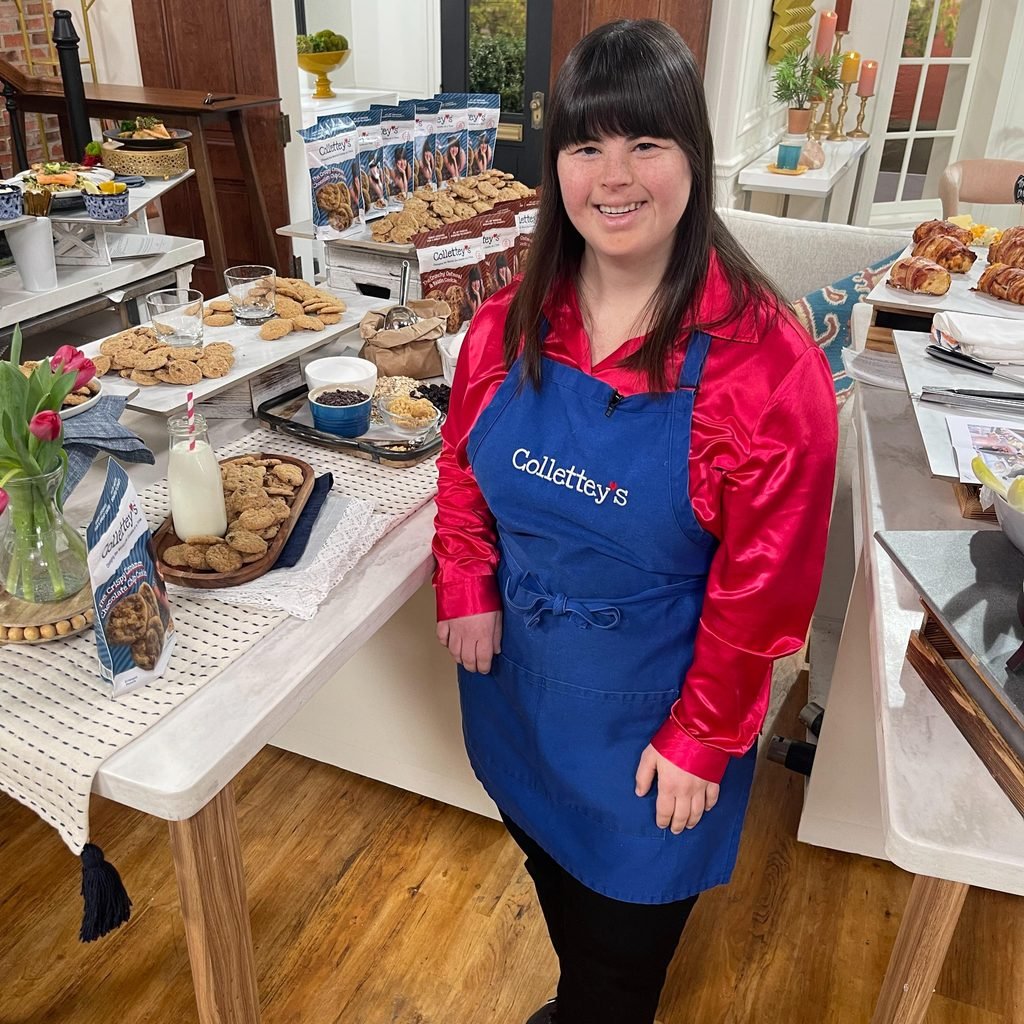
By early 2022, her company has sold more than 550,000 cookies and earned about $1.2 million. She has 15 employees, many of them people with disabilities. That is no accident.
“Creating more jobs for people who are disabled,” she says. “That’s my whole mission.”
She trains new staff with disabilities one-on-one. She works in the kitchen 6 days a week, often starting at 4 a.m.
By 2023, her Boston kitchen bakes about 250,000 cookies a year. Her cookies sit on the shelves of major supermarket chains.
The young woman who was turned away again and again is now the one doing the hiring.
Her story is not about being rescued. It is about refusing to wait for permission.
Sometimes, when the world will not make room for you, you build the room yourself. And then you hold the door open for others.
Have you ever been told you were not “a good fit”? What did you do next?
Someone who needs to know, a closed door is not the end of the story.