A cargo door rips open on a Boeing 747 in 1989, and 9 passengers are lost at sea. The first official report points toward the ground crew. Then a grieving father in New Zealand, an engineer with no official role, decides they are wrong.
**February 24, 1989. Honolulu. 1:52 a.m.**
United Airlines Flight 811 lifts off into the dark, bound for Auckland and then Sydney. On board are 337 passengers and 18 crew, most of them settling in for a long night over the Pacific.
One of them is Lee Campbell. He is 24, a recent graduate from Wellington, engaged to be married, and on his way home after a trip abroad.
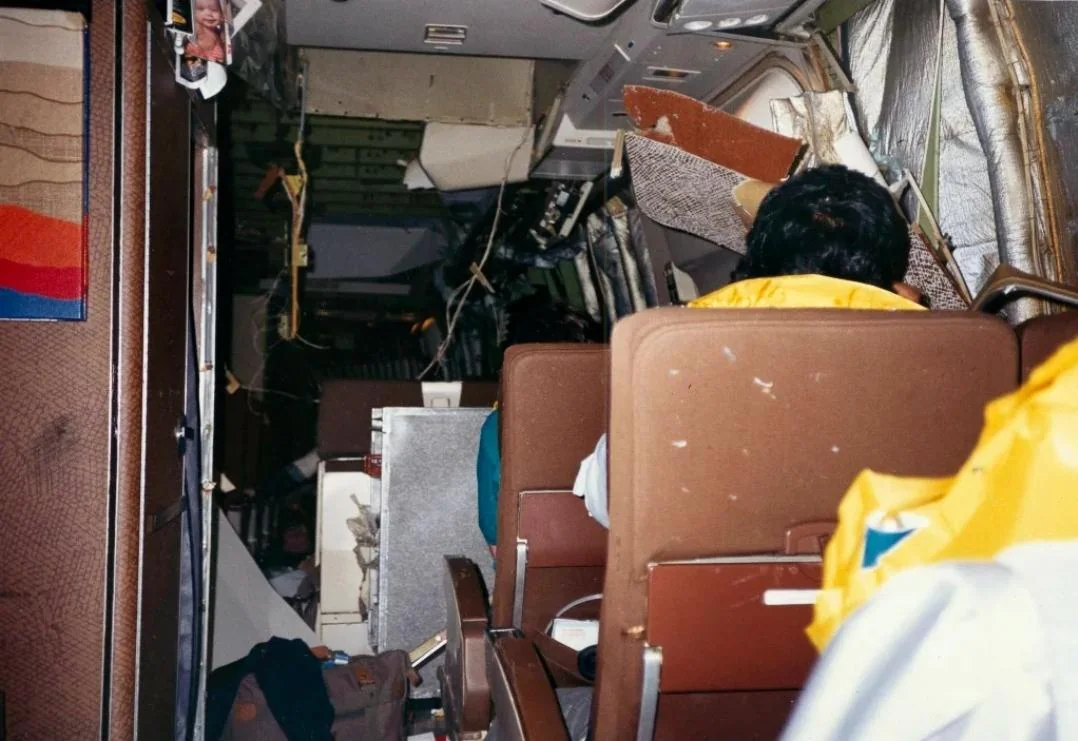
About 17 minutes into the climb, somewhere between 22,000 and 23,000 feet, the crew hears a thump. A second and a half later, the forward cargo door tears away from the side of the plane and takes a huge section of the fuselage with it.
Nine passengers are swept out over the ocean. Lee is one of them.
In the cockpit, Captain David Cronin is 59 and flying one of his very last trips before mandatory retirement. Debris has wrecked two of his four engines. The pilots shut them down, turn back toward Honolulu and nurse the crippled Jumbo Jet onto the runway at about 2:34 a.m. Everyone left on board is out in under 45 seconds. 346 people survive.
The cabin crew, every one of them injured, keep working through the chaos. The three men in the cockpit are later honoured by the US government for heroism. For most people, that is where the story of Flight 811 ends.
**The next morning. Wellington.**
Kevin and Susan Campbell wake to a radio report about an accident over Hawaii. Susan recognises the flight number at once. It is Lee’s.
His suitcases come home before he does. At the memorial service, Kevin wears one of the suits his son packed for the trip, and Lee’s green MG sports car sits parked outside the chapel.
Grief could have ended there. Instead, Kevin, an engineer, starts asking the question nobody can answer yet. How does a locked door simply fall off an airliner?
**April 16, 1990.**
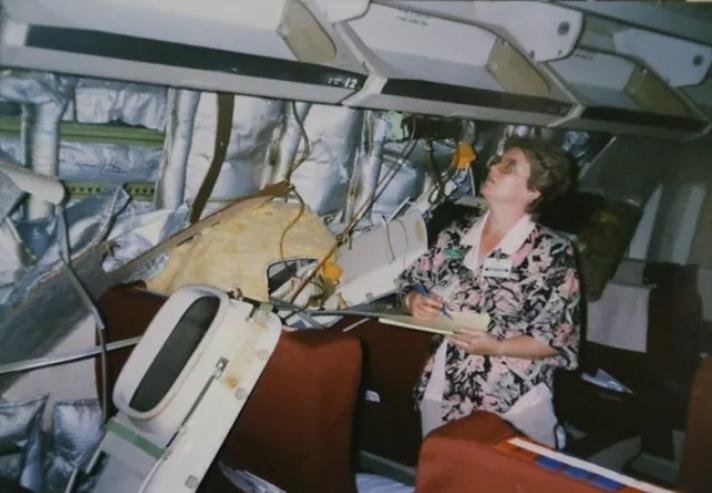
The National Transportation Safety Board issues its report. The door itself is still somewhere on the bottom of the Pacific, so investigators work from circumstantial evidence and earlier incidents. Their conclusion is that the door was probably not properly latched, likely because its locking mechanism had been damaged in service.
In Honolulu, a United ramp serviceman named Brian Kitaoka feels that finding land on his shoulders. He would carry it for years.
The Campbells have now spent around $100,000 of their own money and almost every waking hour on Lee’s case. Kevin, 46, tells a reporter: “What they’re saying is wrong, provably wrong.”
The report stands anyway. Two parents on the other side of the world are arguing with the most powerful air safety agency on the planet, and they have no door to show anyone.
So they build their case on paper. They comb through documents from the investigation itself. They study a 1987 incident in which a cargo door on a Pan Am 747 began to open in flight. Their theory is specific: an electrical fault drove the latches open after the door had been locked, and the latch design was too weak to stop it.
**September 26, 1990.**
A US Navy deep sea submersible called Sea Cliff finds the first half of the door. The second half comes up on October 1. Both pieces have been lying more than 14,000 feet down.
That is deeper than Mount Fuji is tall.
When investigators finally examine the locks, they do not show the damage the first report predicted.
**1991. New York.**
On the ground at JFK, during maintenance work, the cargo door of another United 747 starts to open all by itself. Technicians find breaks in the wiring insulation. Nobody touched the door.
**March 18, 1992.**
The NTSB publishes a revised report that formally replaces the first one. The likely cause is now a faulty switch or wiring that drove the latches toward the open position after the door had been closed and locked, combined with a design that allowed it. Boeing and the FAA are faulted for not acting quickly enough after the Pan Am warning.
It is, in substance, what a grieving couple from Wellington had been saying all along.
Brian Kitaoka is cleared.
**June 2011.**
Twenty-two years after the accident, Kitaoka finally meets Kevin and Susan Campbell in person. He credits their sheer stubbornness with changing the official record. Without them, he believes, the report would still point at the man on the ramp.
The Campbells could not bring their son home. What they did was make sure the truth about his death was told correctly, and in doing so they lifted the blame from a stranger they had never met.
Very few people remember their names. Yet the lessons of Flight 811 have shaped aircraft safety for more than three decades, and two parents who refused to accept a closed file helped make sure they were the right lessons.
Have you ever had to keep pushing when everyone in charge told you the matter was closed?
Some stories deserve to be remembered. This is one of them.