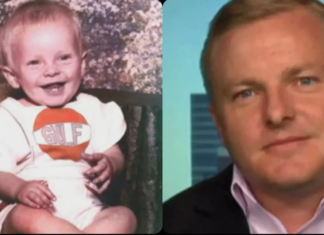

The first phone call goes to his brother. The message is short: We have your father. It is 1998 in Guadalajara, Mexico. Guillermo del Toro has just survived his first Hollywood film. He is not rich. The kidnappers want $1 million.
His father, Federico del Toro, ran a car business and raised his children to work like everyone else. When one of his sons once asked why they had to do chores if the family was rich, Federico corrected him. He was rich. The children were not.
The family did have money, though, and people knew where it came from. In 1969, Federico won the lottery. Almost 30 years later, somebody in Guadalajara still remembers.
**The same day.**
Guillermo hears the news and runs to his parents’ house. The second phone call comes while he is there. It is the same voice, saying the same words.
His first film, Cronos, made his name in Mexico. His second, Mimic, was his first Hollywood job, and it was so miserable that he later said working with that studio was harder than what came next. At least the kidnappers, he explained, had a certain logic. They wanted money, and the family wanted their father back.
But the money is the problem. He has some savings left from Mimic, and he puts in every dollar of it. Friends of his father lend what they can. It is still not enough, and it is not fast.
**The call to Los Angeles.**
Guillermo phones a friend.

The two men met in the early 1990s at a barbecue in Los Angeles. Guillermo was finishing Cronos, a small Mexican horror film. The other man had just finished Terminator 2, one of the biggest films of 1991, and he was generous with advice to a young director nobody in Hollywood knew yet.
The friend is James Cameron.
Cameron does not wait for a request. Guillermo later remembered exactly what he heard on the phone: “The hostage negotiator will be in your house in 72 hours.”
Nobody asked him. He volunteered, and he pays for it himself.
Then he goes further. He tells Guillermo: “I’ll pay for the ransom.”
The family does not take it. This is their father, and they will raise the money themselves.
**72 hours later.**
The negotiator arrives from England, as promised. One of his first warnings sounds almost ridiculous. Beware of the psychics, he tells Guillermo. They will show up early.
They do. When Guillermo goes to see his mother, two strangers are already sitting with her. They say they can sense his father. They say he is trying to reach her. Guillermo throws them out of the house.
More than 20 years later, that memory helped shape Nightmare Alley, his film about con artists who sell false hope to desperate people.
**The weeks that follow.**
The days drag on. The negotiator explains how this business really works. Kidnappings in the city are run almost like franchises, and the same man is often running three or four of them at once. To him, Federico is one file among several.
Guillermo later described watching the sun come up each morning and resenting it, because the sun did not care about his pain.
Then two police officers come to the house with an offer.
For $5,000, they say, the family can have 15 minutes alone in a room with the kidnappers once they are caught. For $10,000, the officers will make sure none of the kidnappers survive the police raid. They will even bring Polaroids as proof.
Read that again. Police officers, offering to sell revenge.
The family is exhausted, terrified and furious. They have every reason to say yes.
Years later, Guillermo wrote down their answer: “We said no. Absolutely no to both.”
They refuse to become part of the cycle of violence, even with their father’s life in the balance.
**Day 72.**
The ransom is paid with the family’s own money, the Mimic savings and the loans from friends. And Federico del Toro comes home alive.
Some of the people behind the kidnapping are eventually caught. Others never are.
**A little while after.**
Guillermo pays James Cameron back for the negotiator. For years, articles claimed Cameron had handed over $1 million in cash for the ransom. In 2022, Guillermo publicly corrected the story. Cameron paid for the negotiator. The family paid the ransom, and the family repaid Cameron.
He was not trying to shrink his friend’s role. He wanted the truth on record, and the truth is generous enough.
**After the rescue.**
Guillermo moves his family to the United States. He has said he would have stayed in Mexico his whole life, but threats followed the release. He called it an involuntary exile.
His father refuses to leave and stays on in Guadalajara.
When his father came home after 72 days, Guillermo made himself a promise: he was going to get to know this man really well. Federico had always been funny and warm, but also distant and hard to read. Reconnecting took years.
**March 4, 2018.**
Guillermo del Toro wins the Oscar for Best Director for The Shape of Water. His father is still alive to see it.
**July 25, 2018.**
Less than five months later, Federico del Toro dies in Guadalajara, 20 years after the kidnapping almost took him.

Guillermo got those 20 years. Part of the reason is a friend who did not wait to be asked.
Today Guillermo calls James Cameron his brother. They have been friends for more than 30 years.
When life is good, plenty of people will tell you they would do anything for you. Very few are tested. Cameron was tested on an ordinary phone call, and he answered in 72 hours.
And the del Toro family was tested too, in a room with two police officers and an offer of revenge. They chose to stay decent.
Who is the one person you would call first if your world fell apart, and would they pick up?
Some friendships are measured in years. The best ones are measured by what happens on the worst day.