One typed line in an adoption report. He was 24 when he finally read it. It explained, in plain official language, why his mother and father had walked out of a Yorkshire hospital 36 hours after he was born and never come back.
**October 31, 1984. West Yorkshire.**
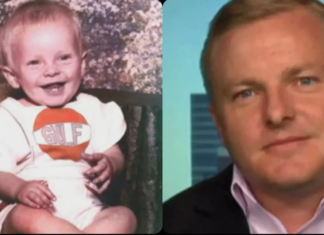
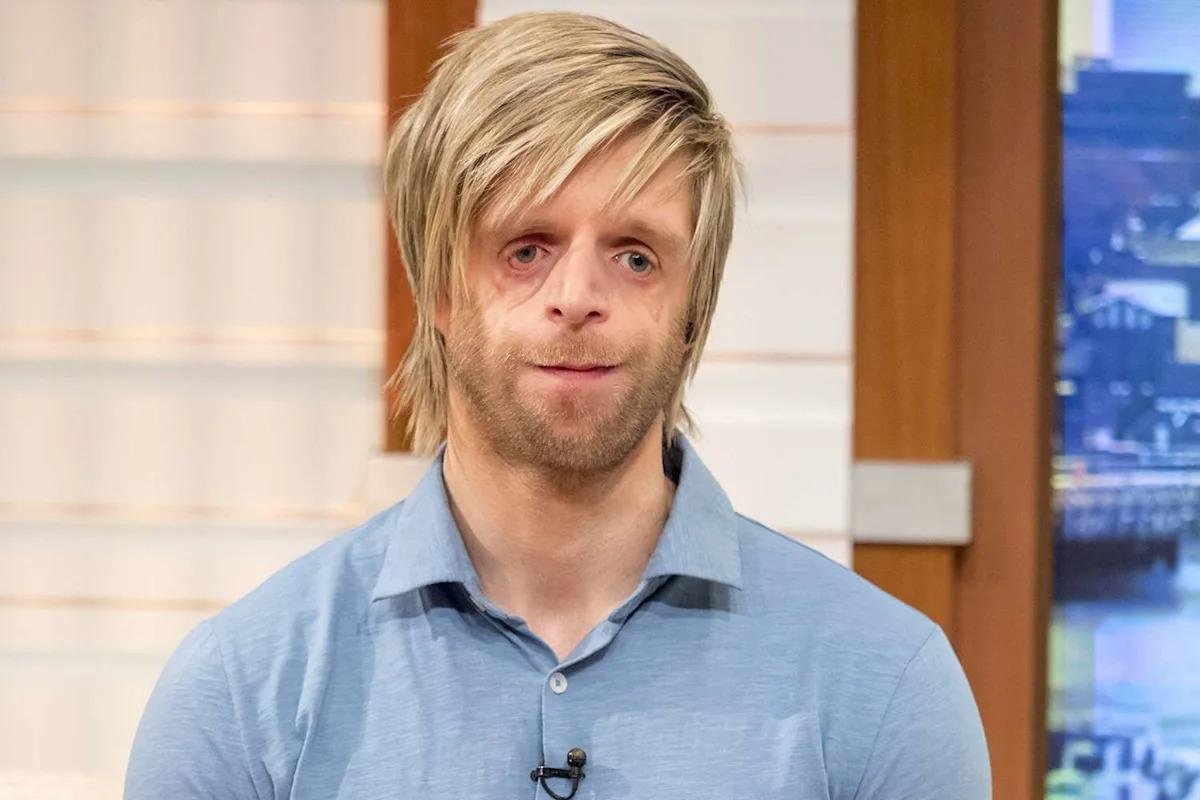
Jonathan Lancaster arrives on Halloween with a rare genetic condition called Treacher Collins syndrome. It affects about 1 in 50,000 people. The bones of his face have not formed in the usual way. He has no cheekbones, so his eyes slope downward, and his small ears will one day need hearing aids.
His parents are in shock. A day and a half later, they leave the hospital without him.
**Two weeks old.**
Social services find a foster carer named Jean. She is a very short woman whose own children have all grown up and left home, and over the years she fosters other children too, all of them with disabilities. She is told about a baby whose parents want nothing to do with him.
Jean comes to the hospital. She later told Jono she could not help smiling the first time she saw him, and that she felt connected to him the moment she held him.
For 5 years, social services send his birth parents reports on his progress, along with photographs. Every envelope comes back unopened.
**May 18, 1990.**
At 5 years old, Jono is formally adopted by Jean. He likes to joke that it gives him two birthdays.
Home is safe. School is not.
Other children point at him, call him names and pull their eyes down at him while they laugh. At home he stands in front of the mirror and pushes his own eyes up with his fingers, trying to make his face look the way everyone else’s does.
As a teenager he cannot bear the barber’s mirror. His mum gives him five pounds for a haircut. He keeps the money, takes the scissors to his own head, and walks around with a string of uneven bowl cuts rather than sit and stare at himself.
He later said he was angry and upset about his face until he was about 20.
**His early twenties.**
He spends a long stretch hiding away, then takes a job behind a bar. One night a tattooed customer looks straight at him and asks what happened to his face.
Jono explains. He mentions the hearing aids. And the man, instead of laughing, tells him he is lucky. He wishes he could switch off the noise of the world whenever he liked.
They shake hands, and the man buys Jono a drink. In that one handshake, he realises it is okay to talk about his face.
A woman who works at the same bar loves Radiohead and the Smiths. They go on a date, and before he can say much at all, she tells him: “Jono, I just freakin’ love your face.” Then she leans in and kisses him.
Slowly, the mirror changes too. One day he looks at his face and, instead of reaching to push his eyes up, he smiles.
**Age 24.**
Feeling stronger, he asks to see the paperwork from the start of his life. The adoption report is blunt: “Both parents were horrified by the child’s appearance.”
It also says they left the hospital 36 hours later, leaving the child behind. He had always suspected it. Now it is in writing.
**2009.**
He writes to them anyway. He does not ask for anything. He simply wants them to know he is okay, that he is happy, and that he would be open to meeting.
The reply arrives within days. It is signed by both of his birth parents and a solicitor. It reads: “We do not want any contact and further attempts will be ignored.”
He cries. He feels rejected all over again, nearly 25 years after the first time.
But he refuses to let the letter have the last word. He has said he took pride in trying, and that he is still grateful to them for one thing: they gave him life. What he does with it is up to him.
**2014.**
At 30, he flies more than 16,000 kilometres to Adelaide, Australia, to meet a 2-year-old boy named Zackary Walton who has the same condition. Zackary’s family shows him around the city. They play together. Then Jono spends three more weeks touring Australia and New Zealand, meeting other children like him.
As a boy, he had believed he was the only person in the world who looked like this. He wanted Zackary to grow up knowing a happy adult with the same face.
**2016.**
With three friends, he launches the Love Me Love My Face Foundation to support people with Treacher Collins and other craniofacial conditions.
**July 2023.**
He publishes his life story, Not All Heroes Wear Capes.
**April 2025.**
Channel 4 airs Love My Face, a 4-part series he fronts from a clinic in Yorkshire. People with facial differences come to explore treatment, and Jono helps each of them work out why they want to change their face, and whether a procedure is really the right answer for them.
He has turned down cosmetic surgery on his own face. He loves it exactly as it is.
The baby nobody took home now spends his life making sure other children with faces like his never feel that alone.
He could not choose how his story began. He chose everything after that.
Who was the person who first made you feel accepted exactly as you are?